ज़ियामेन ZTC प्रौद्योगिकी कं, लिमिटेड (ज़ेंटर) ZTC लंबे समय से शून्य-चरण धारा ट्रांसफार्मरों में अवशिष्ट आउटपुट विशेषताओं के इंजीनियरिंग अनुकूलन पर ध्यान केंद्रित कर रहा है। सैद्धांतिक विश्लेषण और उत्पादन अनुभव दोनों के आधार पर, ZTC ने अवशिष्ट आउटपुट वोल्टेज को अत्यंत निम्न स्तर तक कम करने के लिए एक व्यवस्थित तकनीकी दृष्टिकोण विकसित किया है।
जीरो-फेज करंट ट्रांसफॉर्मर में अवशिष्ट आउटपुट क्यों मौजूद होता है?
सैद्धांतिक रूप से, जब लाइव और न्यूट्रल धाराएँ संतुलित होती हैं:
I_1 + I_2 = 0ZCT के अंदर चुंबकीय प्रवाह पूरी तरह से रद्द हो जाना चाहिए, जिससे शून्य द्वितीयक आउटपुट उत्पन्न हो।
हालांकि, वास्तविक दुनिया के ट्रांसफॉर्मर कभी भी आदर्श नहीं होते हैं।
ZTC के तकनीकी विश्लेषण के अनुसार, अवशिष्ट आउटपुट वोल्टेज मुख्य रूप से चार प्रमुख कारकों से उत्पन्न होता है:
चुंबकीय कोर संरचनात्मक दोष
चुंबकीय कोर के भीतर छोटी-छोटी खामियां भी रिसाव प्रवाह उत्पन्न कर सकती हैं:
बर्र
स्थानीय अंतराल
यांत्रिक विरूपण
असमान चुंबकीय पारगम्यता
तनाव एकाग्रता
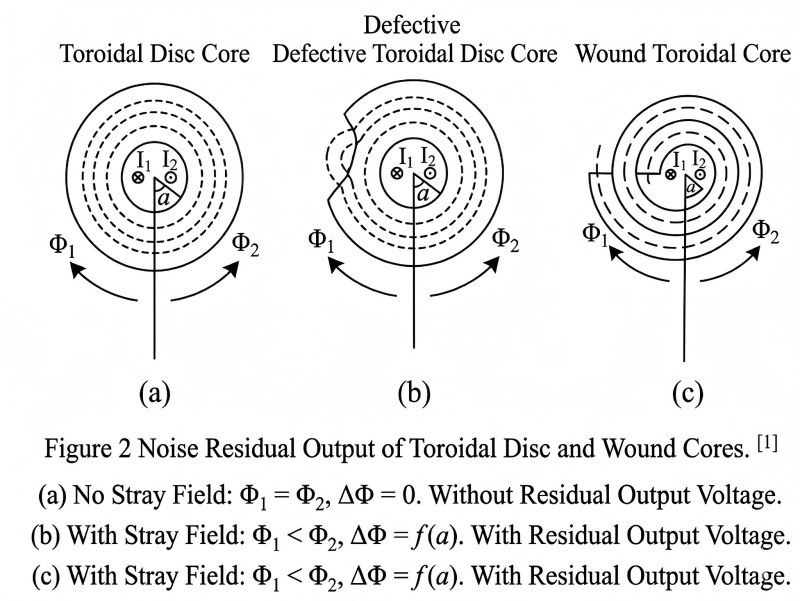
ये दोष चुंबकीय समरूपता को भंग करते हैं और आवारा चुंबकीय क्षेत्र उत्पन्न करते हैं, जो अवांछित द्वितीयक आउटपुट वोल्टेज को प्रेरित करते हैं।
कई आपूर्तिकर्ता इस समस्या को कम आंकते हैं।
एक सस्ता कोर शायद "काम" कर सकता है, लेकिन उच्च संवेदनशीलता वाले रिसाव सुरक्षा स्थितियों में, असंतुलन और भी बढ़ जाता है।
यह विशेष रूप से निम्नलिखित के लिए महत्वपूर्ण है:
UL943 GFCI सिस्टम
टाइप बी अवशिष्ट धारा का पता लगाना
ईवी चार्जर लीकेज सुरक्षा
4–6mA ट्रिप-लेवल अनुप्रयोग
ZTC का तकनीकी समाधान: उच्च अखंडता वाले लैमिनेटेड टोरॉयडल कोर
ZTC के शोध से यह निष्कर्ष निकला कि न्यूनतम संरचनात्मक दोषों वाले स्तरित टोरॉयडल कोर सर्वोत्तम निम्न-अवशिष्ट-उत्पादन प्रदर्शन प्रदान करते हैं।
अवशिष्ट उत्पादन को नियंत्रित करने के लिए, ZTC निम्नलिखित पर ध्यान केंद्रित करता है:
सटीक कोर स्टैम्पिंग
खुरदरापन रहित लेमिनेशन
तनाव-नियंत्रित असेंबली
एकसमान चुंबकीय गुण
कम दिशात्मकता वाले नरम चुंबकीय पदार्थ
यह इसलिए महत्वपूर्ण है क्योंकि अवशिष्ट उत्पादन मूल रूप से एक चुंबकीय समरूपता की समस्या है।
अधिकांश कारखाने केवल टर्न रेशियो और इंडक्टेंस का ही निरीक्षण करते हैं।
ZTC अतिरिक्त
ओनली का फोकस इन बातों पर है:
प्रवाह संतुलन,
चुंबकीय पथ समरूपता,
और गतिशील भार स्थितियों के तहत अवशिष्ट उत्पादन स्थिरता।
एक सामान्य सीटी आपूर्तिकर्ता और इंजीनियरिंग-केंद्रित सुरक्षा घटक निर्माता के बीच यही अंतर है।
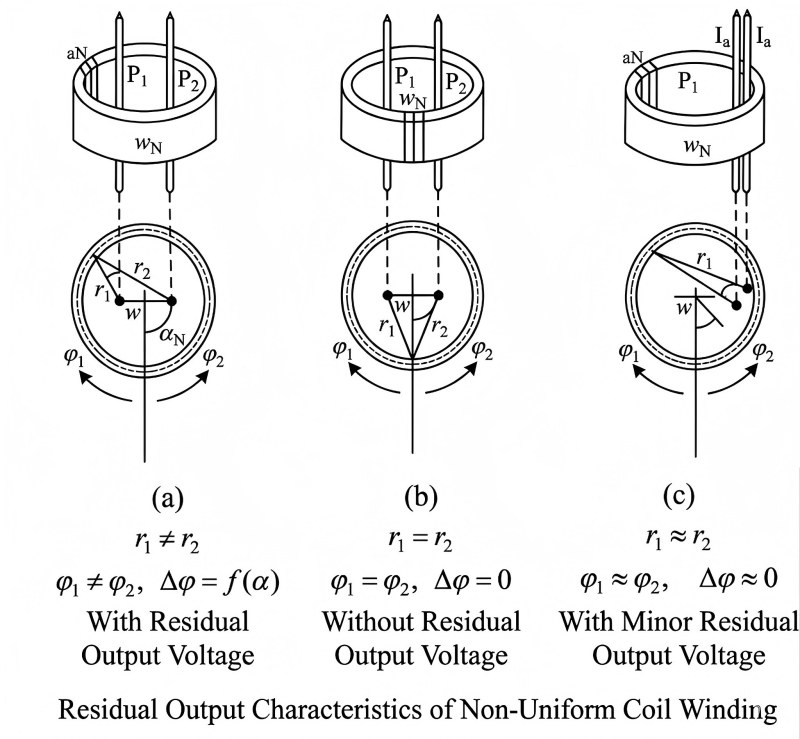
द्वितीयक वाइंडिंग समरूपता भी उतनी ही महत्वपूर्ण है।
ZTC के शोधपत्र में यह भी दर्शाया गया है कि द्वितीयक वाइंडिंग का असमान वितरण अतिरिक्त असंतुलन आउटपुट उत्पन्न करता है।
एक अच्छे चुंबकीय कोर के बावजूद, खराब वाइंडिंग व्यवस्था से अवशिष्ट वोल्टेज उत्पन्न हो सकता है।
विश्लेषण से पता चलता है:
असमान वाइंडिंग स्पेसिंग असंतुलन और त्रुटि को बढ़ाती है।
तारों की असममित स्थिति असमान चुंबकीय युग्मन उत्पन्न करती है।
अवशिष्ट उत्पादन कोणीय स्थिति के साथ बदलता रहता है।
यही एक कारण है कि कुछ आपूर्तिकर्ता प्रयोगशाला परीक्षणों में तो पास हो जाते हैं लेकिन बड़े पैमाने पर उत्पादन में गुणवत्ता की जांच के दौरान असफल हो जाते हैं।
ZTC की विनिर्माण नियंत्रण रणनीति
वाइंडिंग के कारण होने वाले असंतुलन को कम करने के लिए, ZTC निम्नलिखित उपाय अपनाता है:
समान वाइंडिंग वितरण
नियंत्रित तार व्यवस्था ज्यामिति
सममित कंडक्टर स्थिति
प्रक्रिया में निरंतरता पर कड़ा नियंत्रण
स्वचालित वाइंडिंग परिशुद्धता अनुकूलन
इससे सीधे तौर पर निम्नलिखित में सुधार होता है:
यात्रा की निरंतरता,
बैच स्थिरता,
और कम धारा रिसाव का पता लगाने की सटीकता।
प्राथमिक चालक की ज्यामिति को अक्सर नजरअंदाज कर दिया जाता है — लेकिन यह मायने रखती है
ZTC के शोध का सबसे महत्वपूर्ण हिस्सा प्राथमिक चालक विषमता का विश्लेषण है।
जब लाइव और न्यूट्रल कंडक्टर असममित स्थितियों में ZCT विंडो से गुजरते हैं, तो अतिरिक्त चुंबकीय असंतुलन उत्पन्न होता है।
इससे अवशिष्ट उत्पादन उत्पन्न होता है, भले ही:
चुंबकीय कोर अच्छी है।
और द्वितीयक वाइंडिंग एकसमान है।
सिस्टम इंटीग्रेशन के दौरान कई इंजीनियर इस बात को नजरअंदाज कर देते हैं।
वास्तविक अनुप्रयोगों में जैसे कि:
एमसीसीबी,
ईवी चार्जिंग सिस्टम,
औद्योगिक पैनल,
और उच्च-धारा सुरक्षा प्रणालियाँ,
भौतिक कंडक्टर रूटिंग अक्सर अस्थिरता का छिपा हुआ स्रोत बन जाता है।



 IPv6 नेटवर्क समर्थित
 हिंदी
हिंदी English
 français
 русский
 español
 português
 العربية